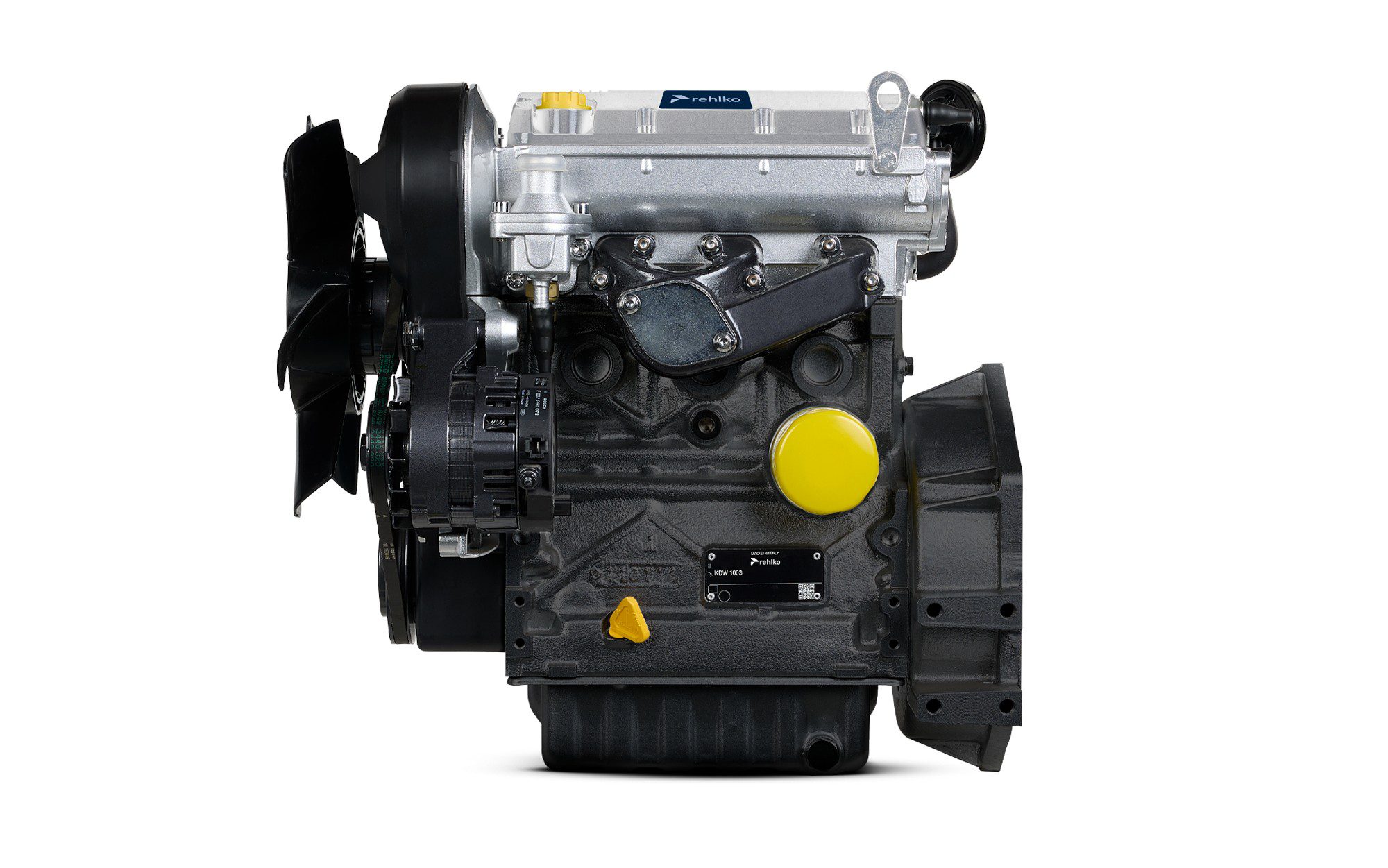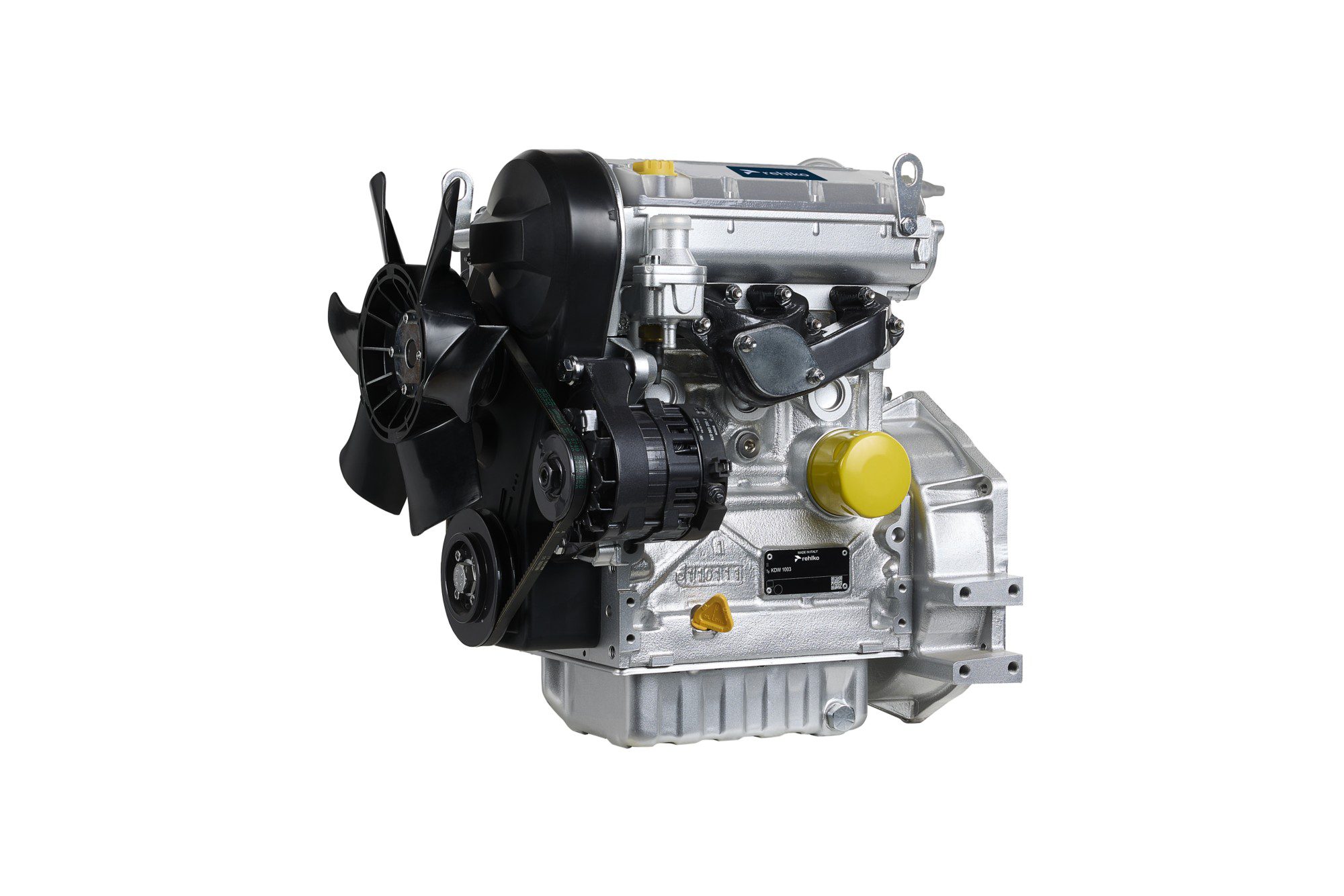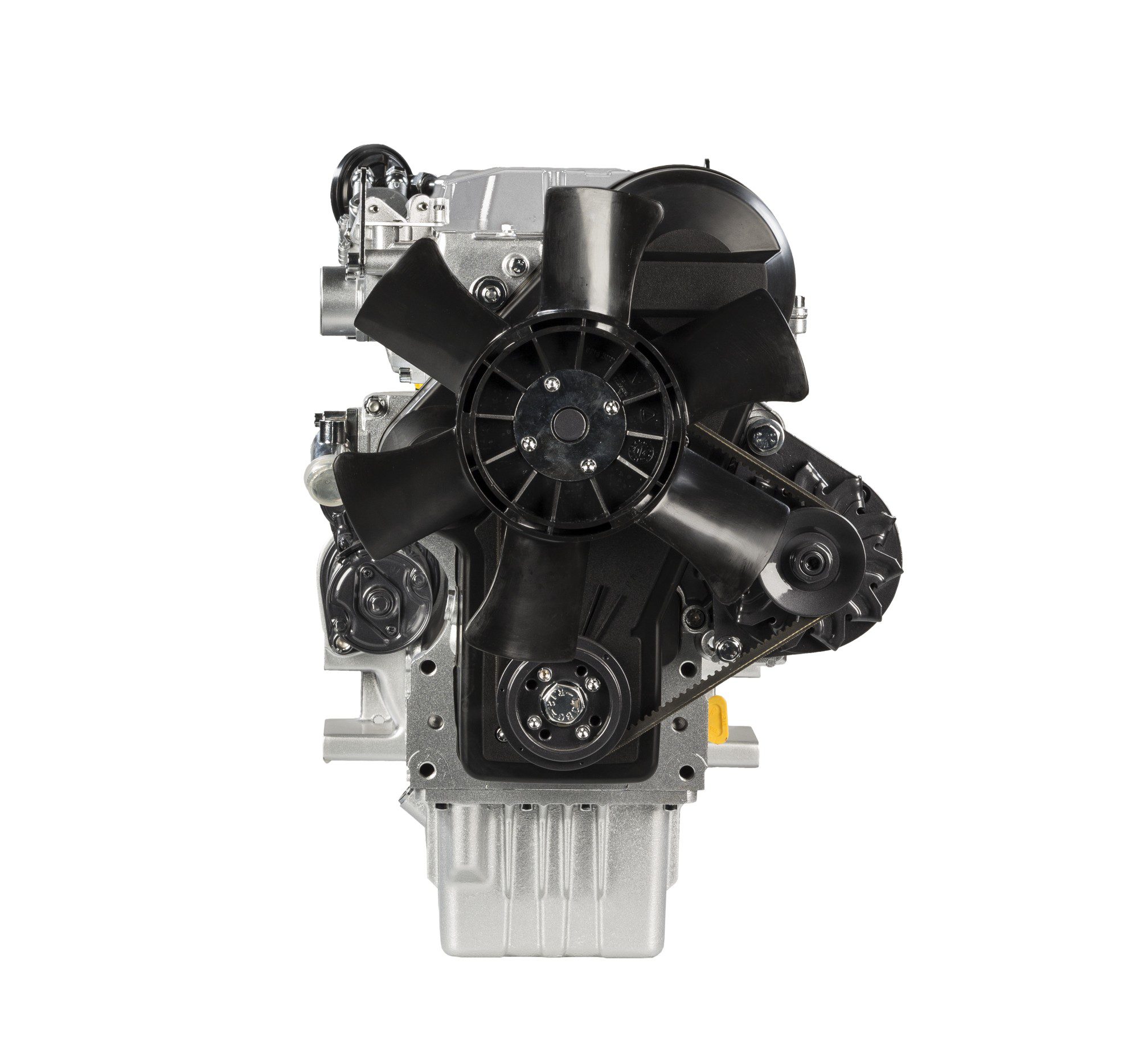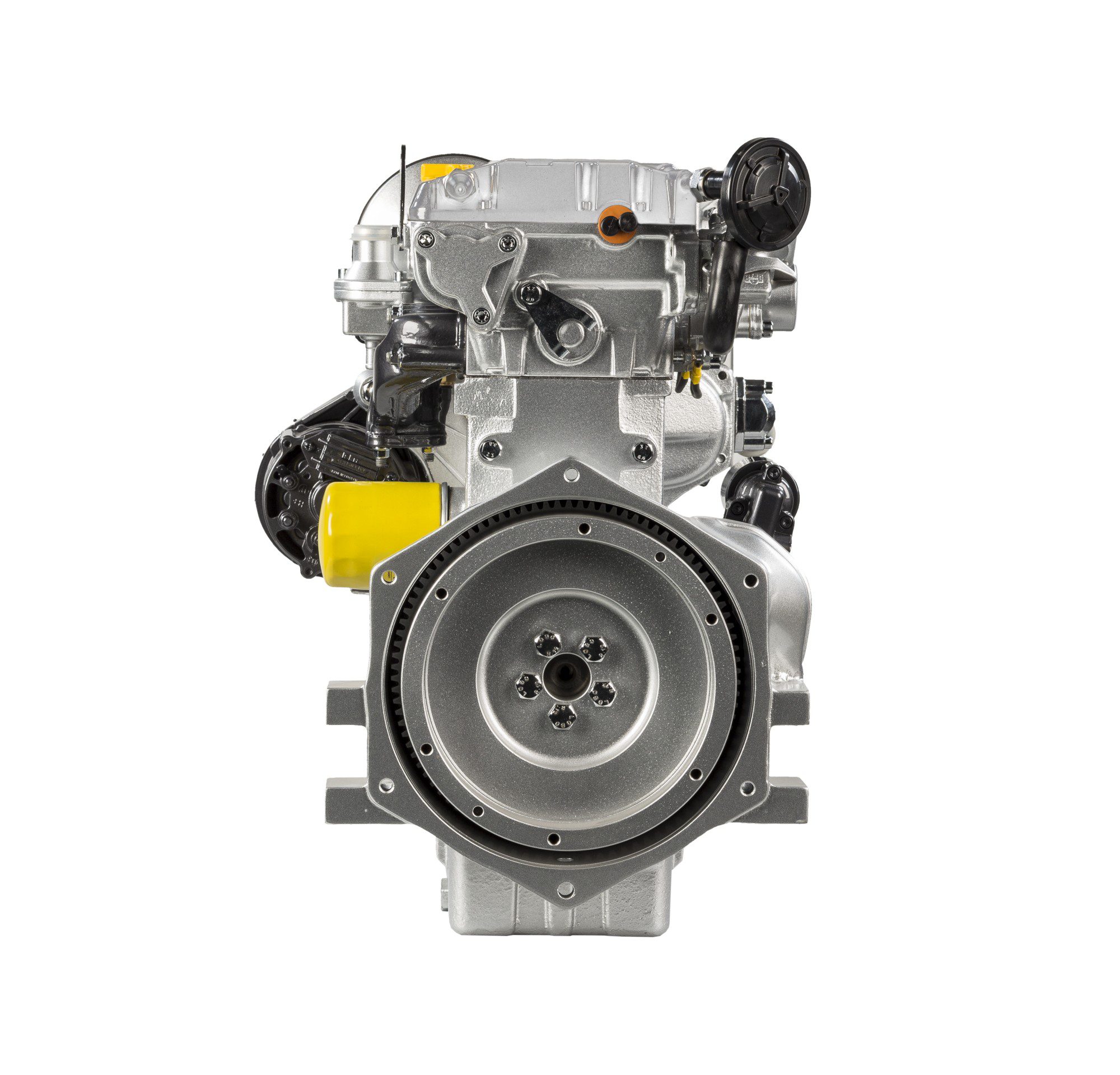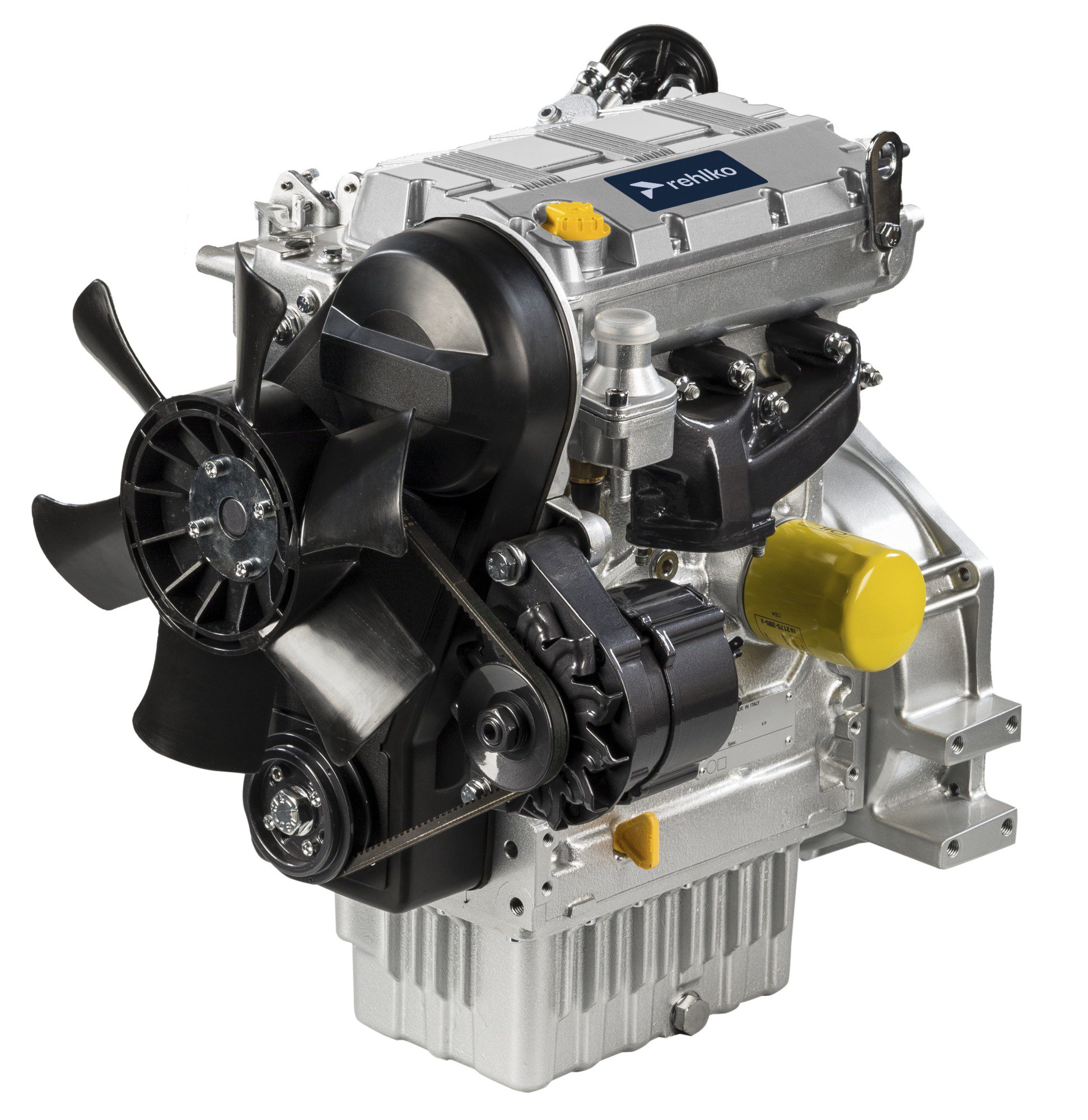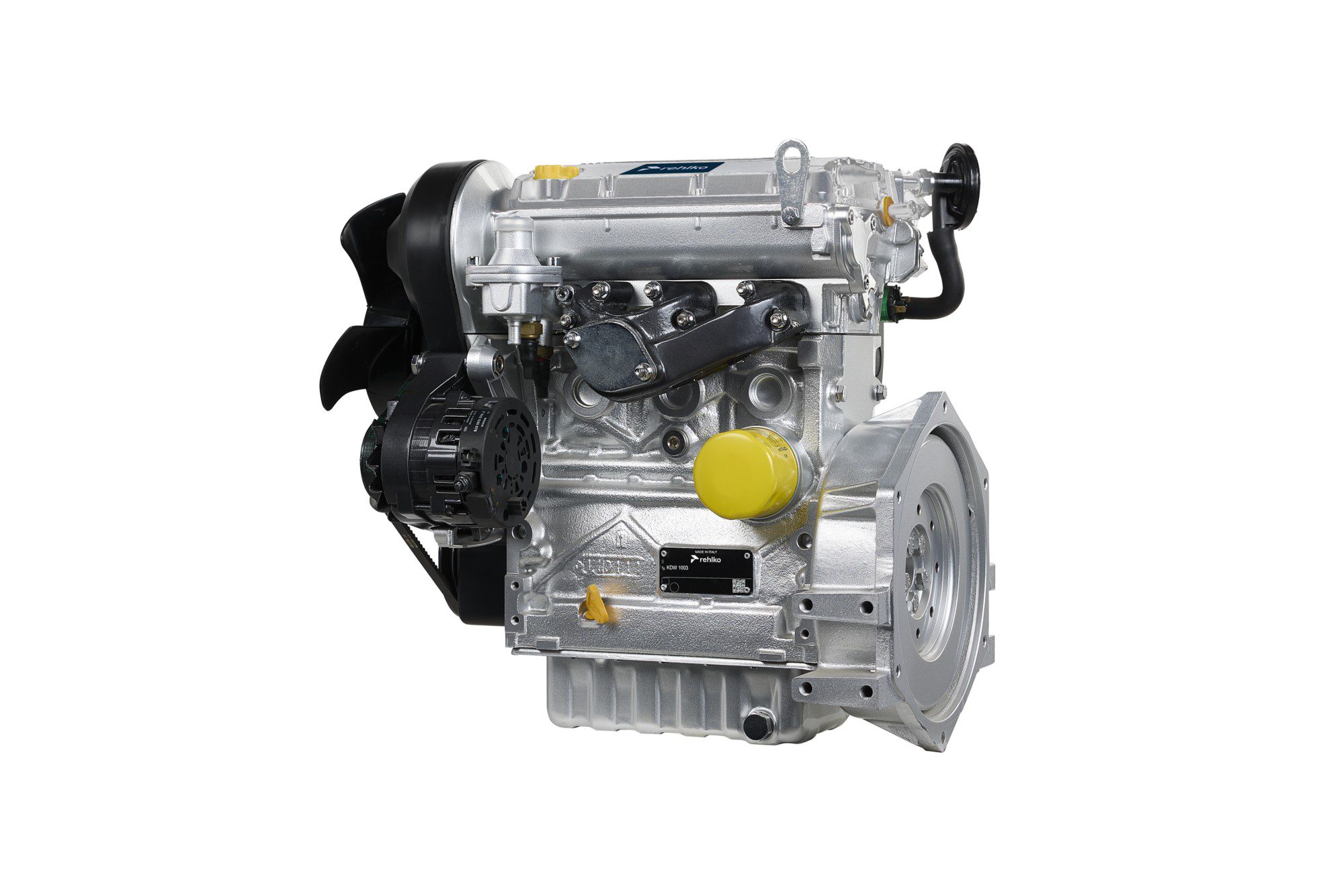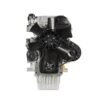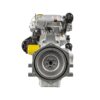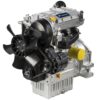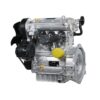
The Rehlko KDW1003 E524A sits within Rehlko’s KDW liquid‑cooled diesel range and is typically selected for equipment that benefits from lower-speed operation and stable, torque-friendly performance. In the KDW1003 line-up, the E524A stands apart from the higher-output 3000 rpm variants by targeting a different duty profile — ideal where the machine is expected to run consistently and efficiently rather than at maximum governed speed.
For OEMs, the KDW1003 platform is well proven and packaging-friendly, making it suitable for a wide range of compact machinery and industrial installations. For operators and service teams, the upside is predictable operation, practical maintenance access, and the reassurance of a widely supported engine family.
As with other KDW variants, the key to a correct supply is matching the exact variant code (E524A) and confirming installation requirements (mounting, cooling arrangement, intake/exhaust routing, and electrical interfaces). If you share the engine plate or your current spec table, we can sanity-check the match before you publish specs or place an order.
Parts & Warranty
PROTECT YOUR INVESTMENT
Keep your engine running right
Troubleshoot issues, stay on top of maintenance, buy replacement parts, and get warranty information

Applications
The Rehlko KDW1003 E524A is well suited to compact industrial and mobile equipment that needs dependable diesel power with an operating profile geared towards 2400 rpm applications. It’s a sensible choice for OEM power units, pumps, compact industrial machinery, and specialist equipment where stable performance and long service life are priorities.
Because the E524A is part of the broader KDW1003 family, it’s also a practical option for procurement and maintenance teams who want a clearly defined variant that can be supported over time. In replacement scenarios, matching the exact engine code helps ensure the correct performance characteristics and interface compatibility for the machine’s duty cycle.
If you’re choosing between KDW1003 variants, the decision often comes down to operating speed and output requirements. Share your target duty (continuous vs intermittent), rpm requirement, and the existing engine code, and we’ll confirm the best-fit variant.